
See you at FENS2026 in Barcelona!
Published January 1, 1970
If you're attending Europe's largest neuroscience meeting, come and visit us at hashtag#Booth153.
We'll be showcasing the latest features of our Virtual Labs with live demos throughout the conference.
Whether you're interested in Open Science, Digital Brain Models, or the future of neuroscience research, we'd love to meet you, answer your questions, and hear about your work.
See you in Barcelona!
Read more
Replay | From Neuronal Morphologies to Insights using the OBI Virtual Labs
Published June 24, 2026
In this webinar, we introduce the morphology-related functionalities of the Open Brain Institute Virtual Labs and show how they bring these workflows together in one integrated environment.
Through hands-on use cases, we will demonstrate how the platform supports efficient dataset exploration, interactive visualization and inspection of reconstructions, collaborative data sharing, automated detection and correction of reconstruction artifacts, and morphometric and topological analyses — including how topological approaches can reveal meaningful morphological differences across species.
Read more
Our first fully OBI-authored paper is out in iScience
Published June 24, 2026
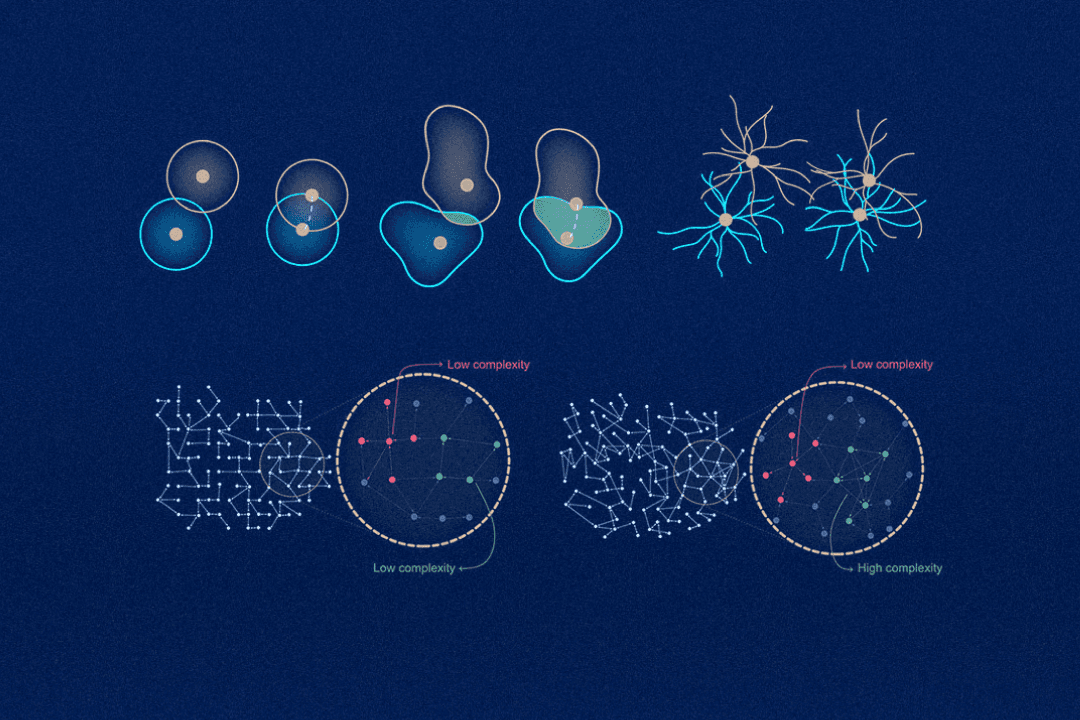
Why are biological neuronal circuits so complex and highly structured?
Is it complex mechanisms and plasticity? Or is there a simpler explanation for at least some of the observations?
Our latest work offers a controversial, but intuitive answer: while a class of neurons collectively covers its entire surroundings, each individual neuron only reaches a small, spatially constrained portion of that space. This simple geometric reality, shaped by axonal continuity, gives rise to the structured connectivity motifs we observe in cortical circuits.
Read more
Webinar | From Neuronal Morphologies to Insights using the OBI Virtual Labs
Published June 3, 2026
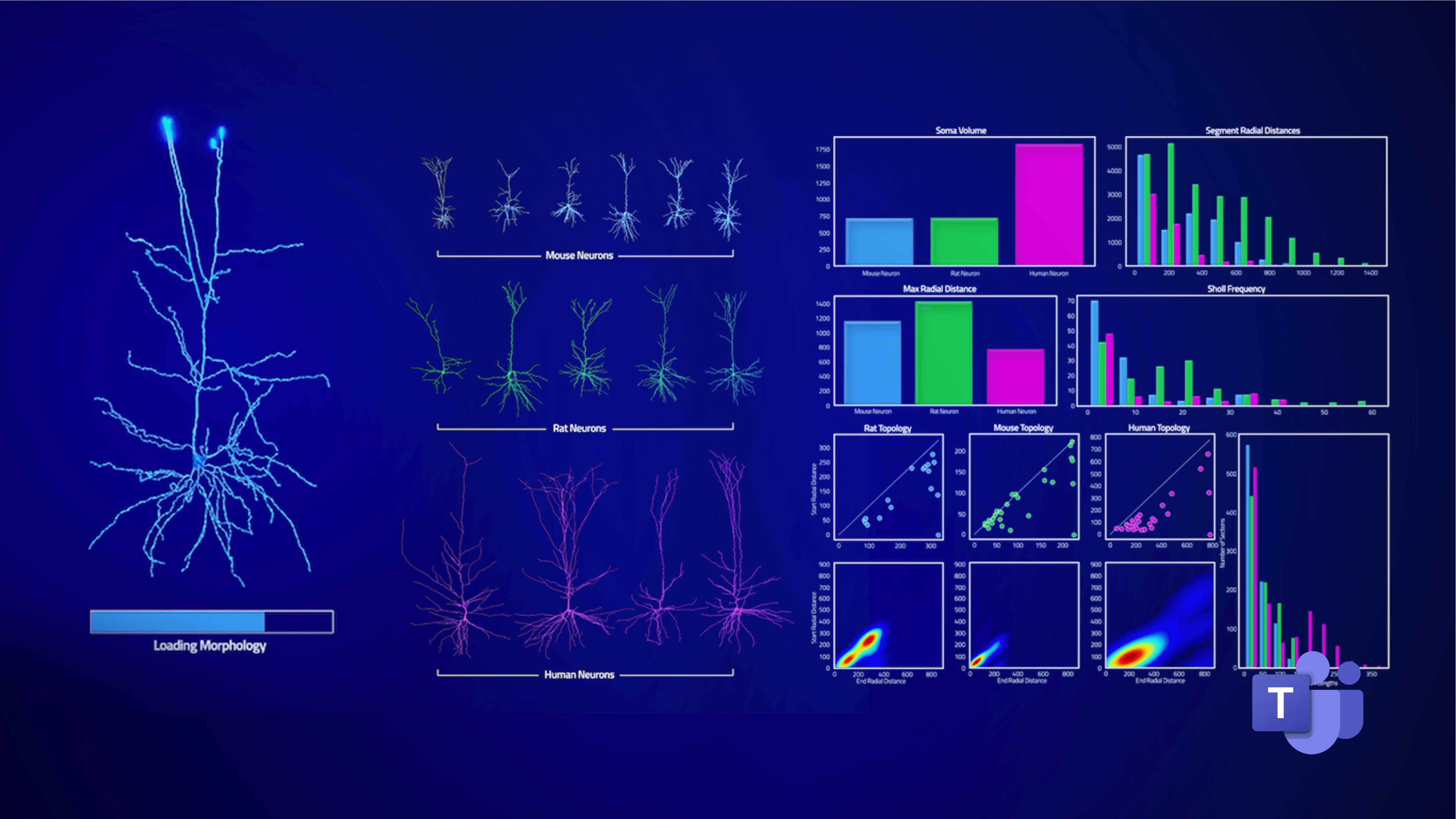
Neuronal morphology sits at the heart of understanding how neurons connect, communicate, and compute — yet working with reconstructed morphology data remains surprisingly cumbersome. From exploration and visualization to quality control, standardization, and advanced analysis, researchers routinely face fragmented workflows and scattered tooling.
Whether you are reconstructing neurons, building biologically accurate cell models, or simply trying to make sense of a large morphology dataset, this webinar will show you a more accessible and scalable way to do it. Open to researchers across all areas of neuroscience.
Read more
Our new paper in PLOS Computational Biology
Published June 2, 2026
Excited to share our new paper in PLOS Computational Biology.
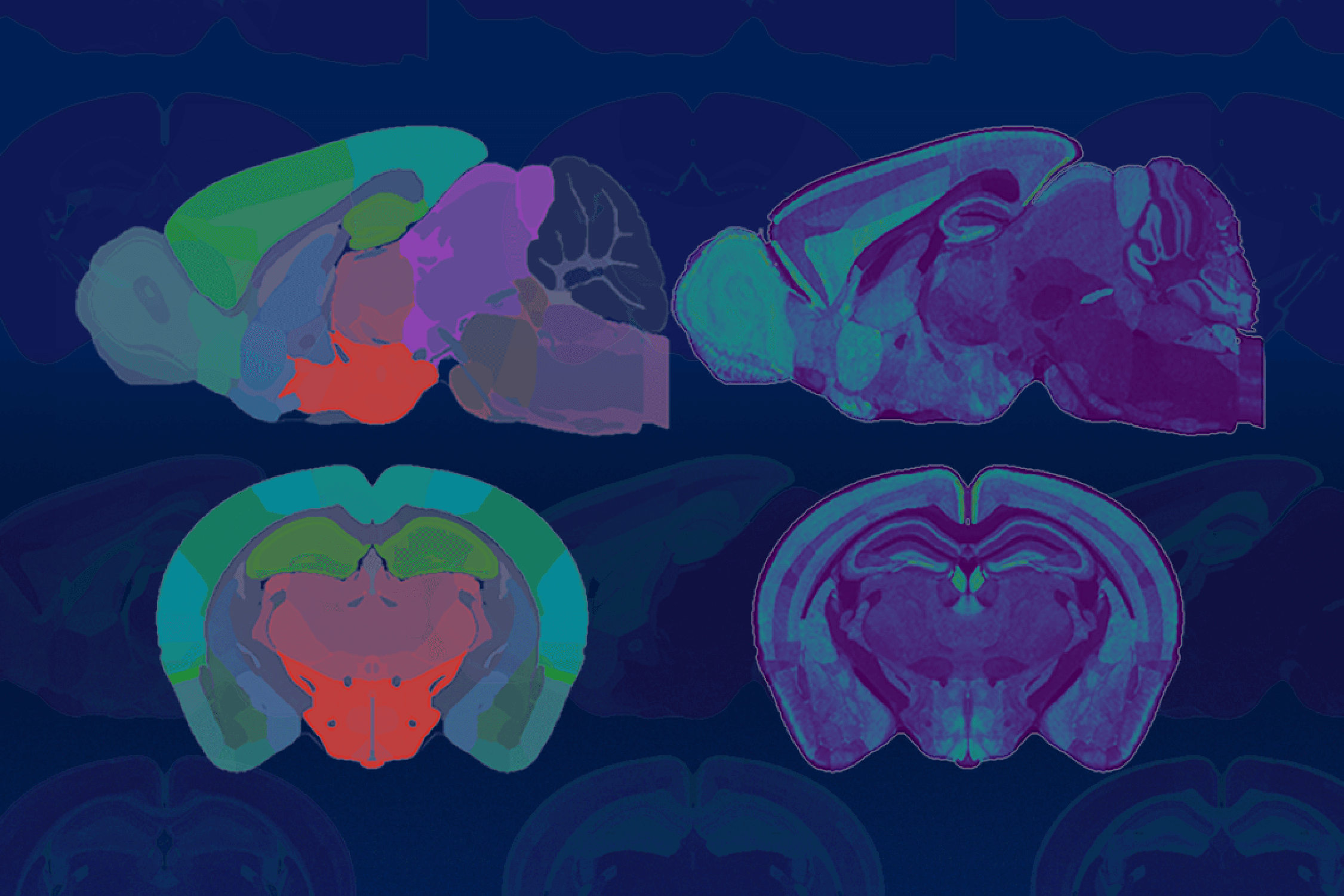
"A multimodal spatial atlas of transcriptomic, morphological, and electrophysiological cell type densities in the mouse brain”
For the first time, we've built a unified, high-resolution 3D atlas of the mouse brain that speaks all three languages of neuroscience — gene expression, cell shape, and electrical activity — at once.
Using MERFISH spatial transcriptomics data, the Allen Brain Cell Atlas, and patch-sequencing datasets, we mapped 5,274 transcriptomic cell types across the entire mouse brain at 25 µm³ voxel resolution. We then developed a probabilistic framework to translate these into 458 functional morpho-electrophysiological types — bridging the gap between modern transcriptomics and decades of classical cell-counting literature.
Understanding the brain isn't just about knowing which genes cells express — it's about knowing where they are, what shape they take, and how they fire. This atlas brings all three together in one place, opening new doors for large-scale brain simulation, disease modeling, and circuit-level neuroscience.The atlas and all tools are fully open-access. Whether you're building computational models, analyzing spatial transcriptomics, or exploring inhibitory neuron gradients, this resource is built for you.
Read more
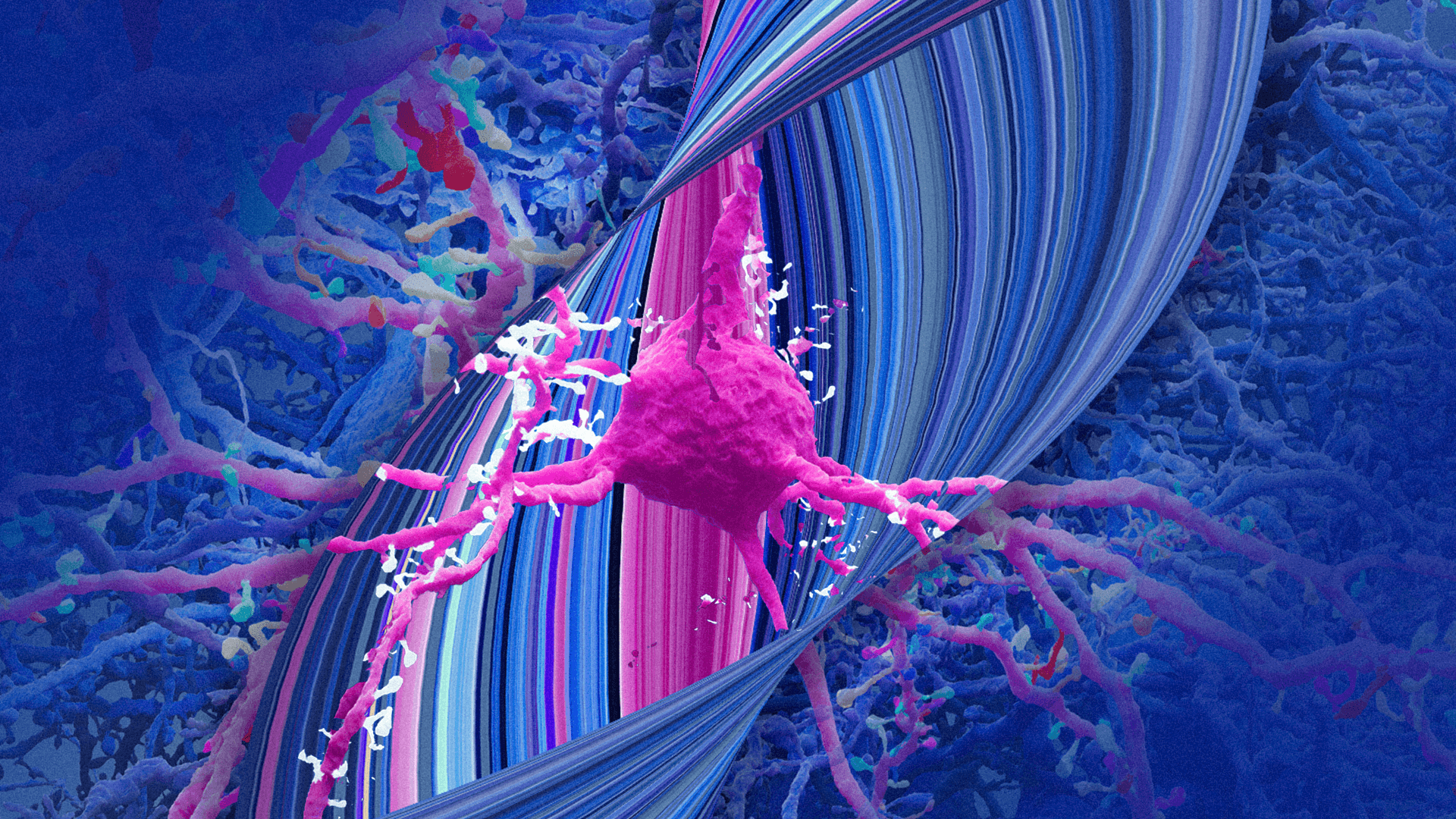
Replay | Spines & Motif Participation
Published May 11, 2026
In our second webinar, Michael Reimann demonstrated how the OBI Virtual Lab helps process complex EM data to extract valuable insights on spines and neural circuit organization.
Discover how high-resolution EM data and digital brain models are advancing our understanding of neural circuit organization.
Read more

Webinar | Spines & Motif Participation
Published April 2, 2026
The second webinar of our series is open for registration!
Most cortical excitatory connections are made onto dendritic spines.
But beyond plasticity, could spines actually enable which connections are formed?
Using our Virtual Labs and EM data from the #MICrONS project (Allen Brain Institute), we will explore whether dendritic spine anatomy is linked to the topology of local brain networks.
Read more

Replay | From Ion Channel Mutations to Neuronal Dysfunction
Published March 20, 2026
In this webinar, we explored how pathogenic variants — such as the R581Q mutation in KCNQ2 — can be transformed into predictive, multiscale brain models, and showcased our Virtual Labs where experimental data, biophysical modeling, simulation workflows, and AI-assisted discovery come together to bridge genes, neurons, and networks.
Read more

Meet Open Brain Scientist James Isbister during Hybrid Minds Vienna 2026
Published February 26, 2026
Leveraging and Accelerating Simulations Neuroscience.
Multi-scale biophysically-detailed brain models are a powerful scientific tool, acting as general models for exploring a wide range of scientific questions. The talk introduces these models and proven applications, from understanding spike sorting biases to predicting structure-function relationships. Openly available electron-microscopic datasets enable the next generation of one-to-one tissue models. Lessons learned from previous collaborative efforts are characterized to leverage existing models and accelerate new model development. The Virtual Labs of the Open Brain Institute, an open platform for collaborative neuroscience, simplify international teams’ efforts to leverage existing models and build one-to-one brain models.
Read more

Webinar | From Ion Channel Mutations to Neuronal Dysfunction
Published February 22, 2026
In the first webinar of our series, we invite you to explore how such disease-causing mutations can be collaboratively modeled at the subcellular and cellular levels using the Virtual Labs of the Open Brain Institute.
Join us for a live demonstration of our Virtual Labs, where experimental data, biophysical modeling, simulation workflows, and AI-assisted discovery come together to bridge genes, neurons, and networks.
Read more


