Create your Virtual Lab to Perform Neuroscience at the Speed of Thought
Accelerating neuroscience research
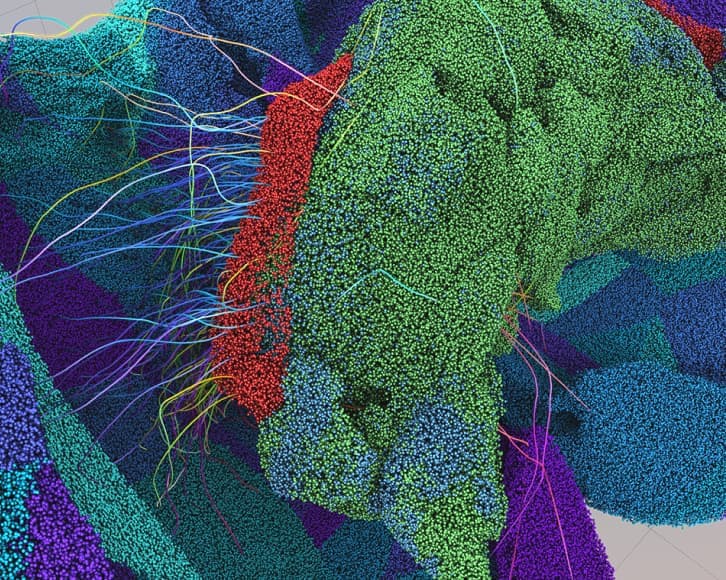
The Open Brain Institute (OBI) is a non-profit organization whose mission is to empower researchers and organizations with advanced tools to explore and build digital brain models. By hosting Virtual Labs, equipped with computational modeling services and a comprehensive repository of digital brain models, the OBI enables users to conduct realistic brain simulations, test hypotheses, and explore the complexities of neural circuits.
What are digital brains?
Digital brains are advanced computer models that replicate the structure and function of the brain. These models include key components such as neurons, synapses, circuits, brain regions, and the complex connectivity between neurons, known as the connectome. Powered by Artificial Intelligence (AI), vast amounts of research data and brain scan information are processed, structured into knowledge graphs and atlases, and applied in algorithms to recreate the behavior of various neuron types with remarkable precision. It took over two decades of research and development, involving 18 million lines of code, to create the sophisticated software ecosystem that allows the simulation and creation of these digital brains. But to unpack this, it all collapses down into five key steps to build the brain.
01. Fill with Neurons
The process begins by populating the brain model with neurons. Each neuron is represented as a distinct entity, with its own unique identity based on its type, behavior, and function. These neurons are organized to reflect the diversity found in the biological brain.02. Grow the dendrites
Neurons grow dendrites—antenna-like structures that receive information from other neurons. It is now mathematically possible to recreate these dendritic branches for any neuron type, mimicking the brain’s capacity to form connections with other neurons.03. Grow the Axons
Neurons also extend axons—long nerve fibers that transmit signals across vast distances within the brain. For example, in a mouse digital brain model, around 70,000 kilometers of axons must be generated, highlighting the extraordinary complexity and scale of brain connectivity.04. Connect axons and dendrites
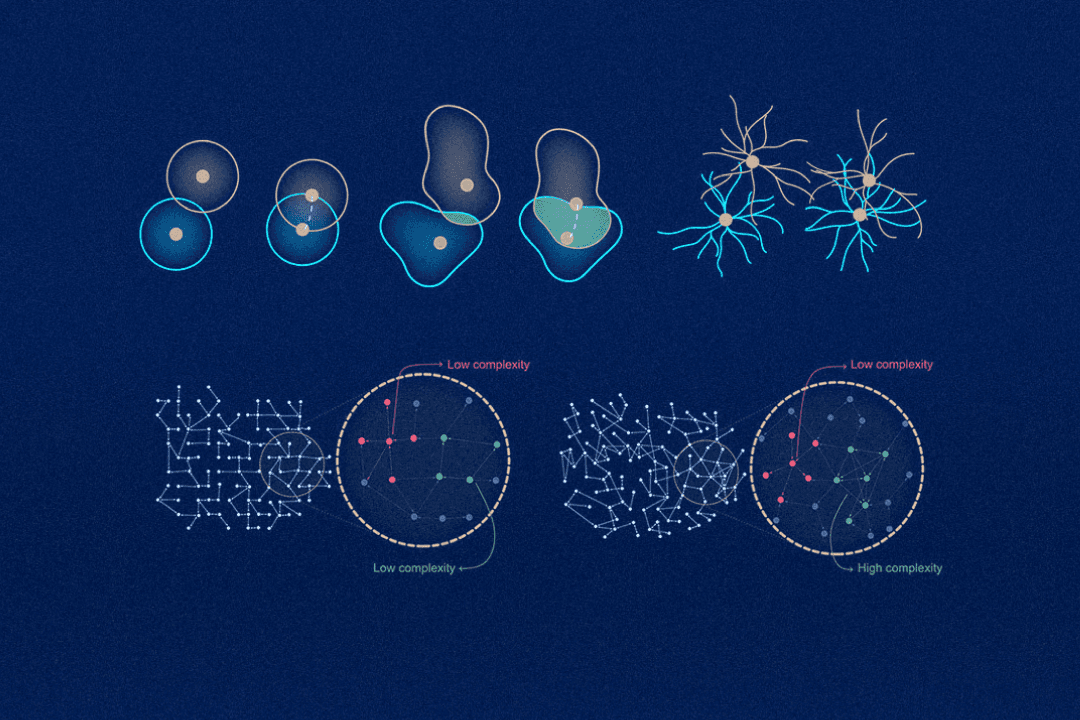
The next step involves connecting the axons and dendrites. Using advanced algorithms, intersection points are identified, and synapses are formed according to specific connection rules. This creates a massive graph that mirrors the connectivity of a biological brain.05. Switch it on
The final step involves activating the digital brain. Using mathematical models, the electrical behavior of each neuron is simulated, capturing their unique properties both at the individual neuron level and the whole-brain level. This simulates not just the brain's structure, but its dynamic electrical activity.
Early adopters


Digital brain models at different scales
The Open Brain Institute offers Virtual Labs—dynamic, cloud-based platforms where you can explore, build, and experiment with digital brain models across multiple scales. From individual neurons and microcircuits to entire brain regions and full-brain networks, access cutting-edge tools for simulation, visualization, and analysis. Unlock deeper insights into brain structure and function with scalable, high-resolution models designed to accelerate discovery and innovation.
Ion channel

Metabolism

NGV unit

Single Neuron

Synaptome

Paired neurons

Small microcircuit

Microcircuit

NGV circuit

Brain region

Brain system

Whole brain

Who is behind the Open Brain Institute
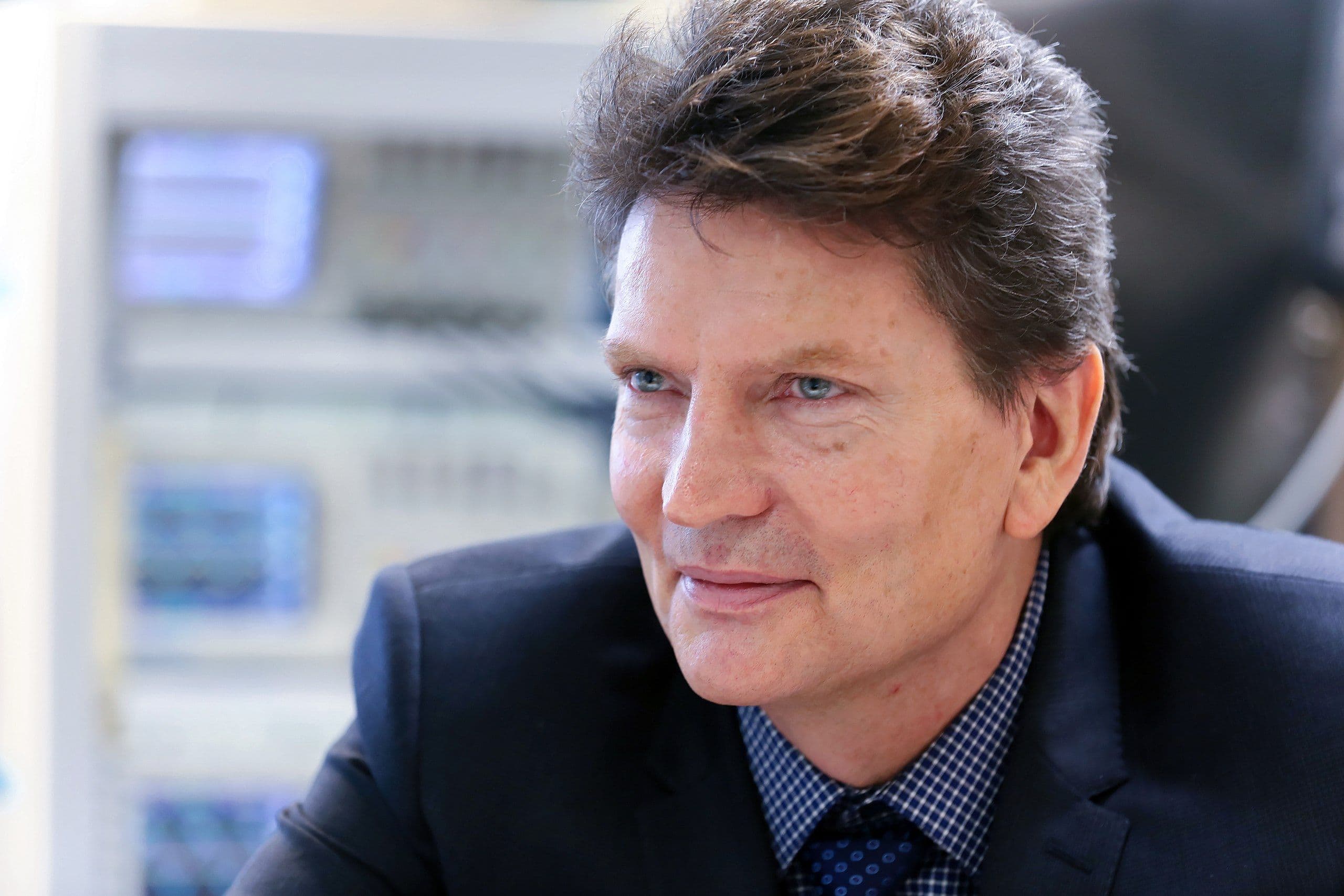
The Open Brain Institute (OBI) was founded in 2025 by Henry Markram with a vision to accelerate and democratize neuroscience research by empowering users with advanced digital brain modeling tools and data while fostering open collaboration.
News and events
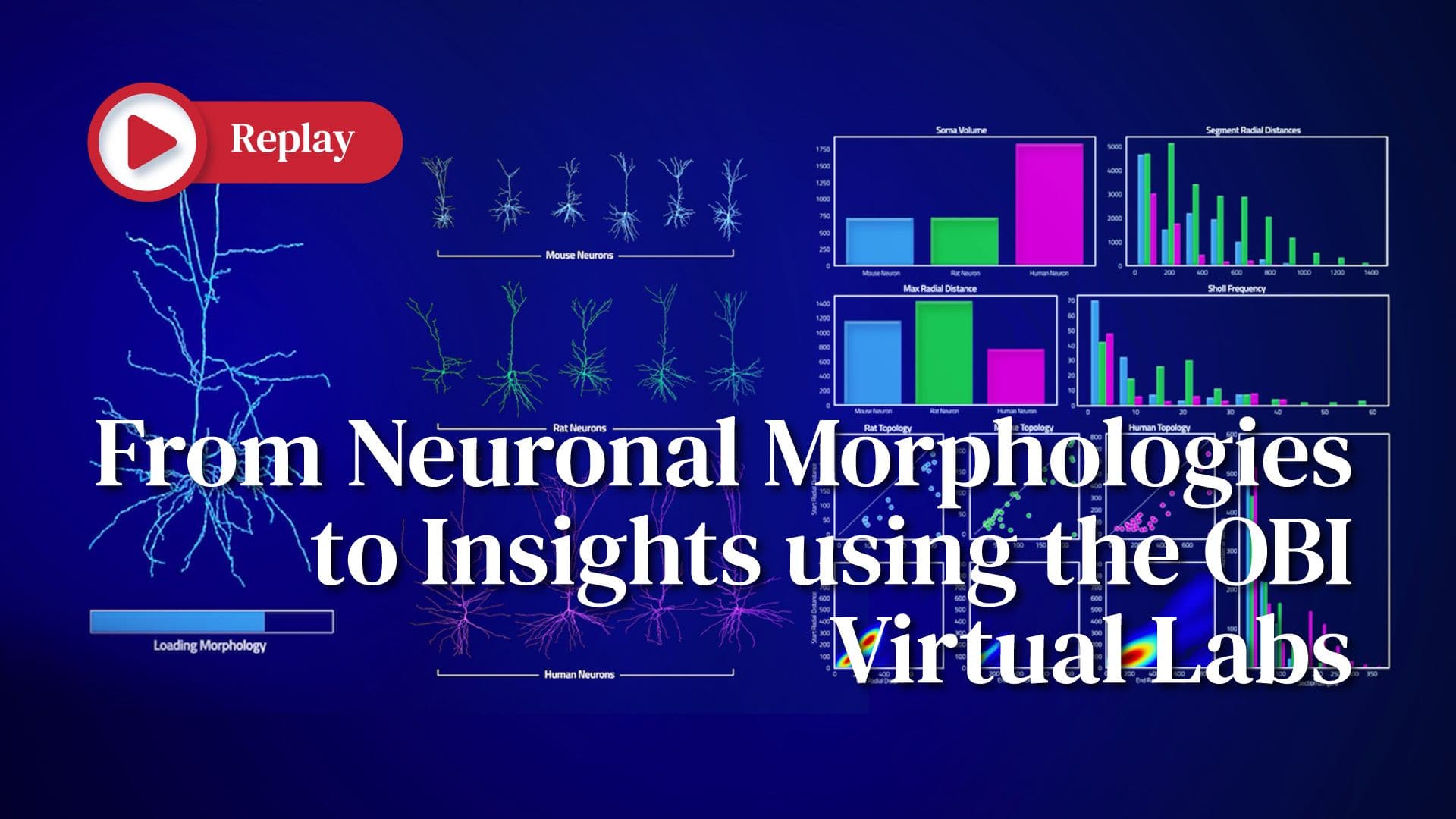
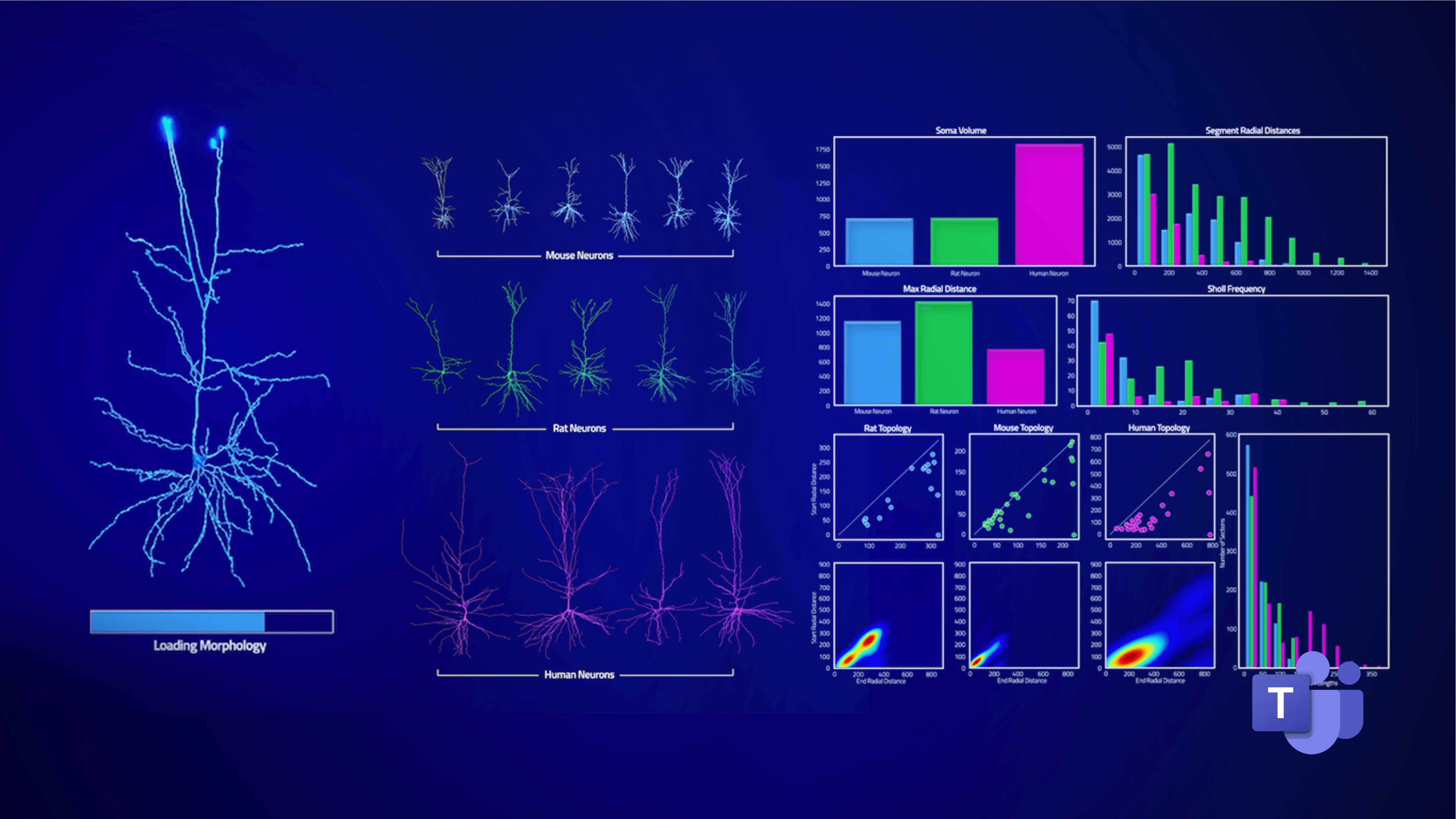
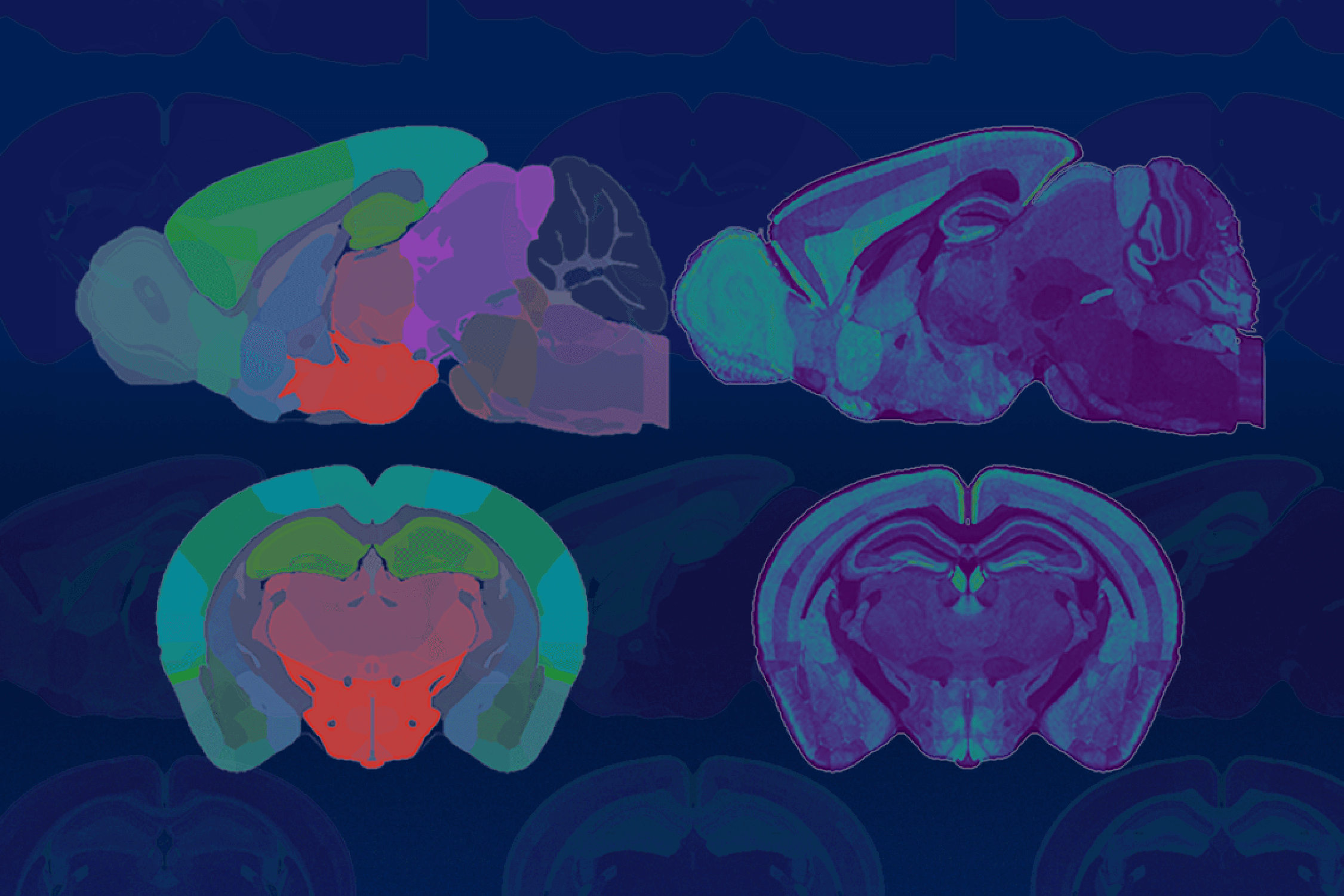

A world-class team of scientists, engineers, and innovators
The Open Brain Institute is guided by visionary founder Henry and backed by a distinguished board of pioneering neuroscientists and open science advocates Kamila Markram, Idan Segev, Javier de Felipe Oroquieta, and Sean Hill. Our dynamic team includes world-class scientists, engineers, and innovators dedicated to advancing the Open Brain Platform and accelerating neuroscience research.
From individual projects to large-scale initiatives, we offer flexible options to support your brain modeling and simulation goals.
Free
Create Your Virtual Lab for Free: Our entry plan for the curious, with limited free credits to kickstart your simulation neuroscience journey!
Pro
Unlock the full potential: Access all platform features, invite lab members and receive additional free credits to take your neuroscience journey to the next level.
Premium
Discover limitless possibilities: Access advanced features, enjoy exclusive onboarding, and benefit from a dedicated account manager. Contact us for tailored support and solutions.
How can we collaborate and help you achieve greatness?
We welcome researchers, developers, and institutions to collaborate with us on cutting-edge neuroscience projects. Whether you’re exploring brain simulations, AI-driven analysis, or innovative neurotechnology, the Open Brain Institute is eager to discuss and support your work. Let’s advance neuroscience together! Contact us today to explore partnership opportunities and bring your ideas to life.
The Real Digital Brain Story
It took over two decades of research and development, involving 18 million lines of code, to create the sophisticated software ecosystem that allows the simulation and creation of digital brains.


